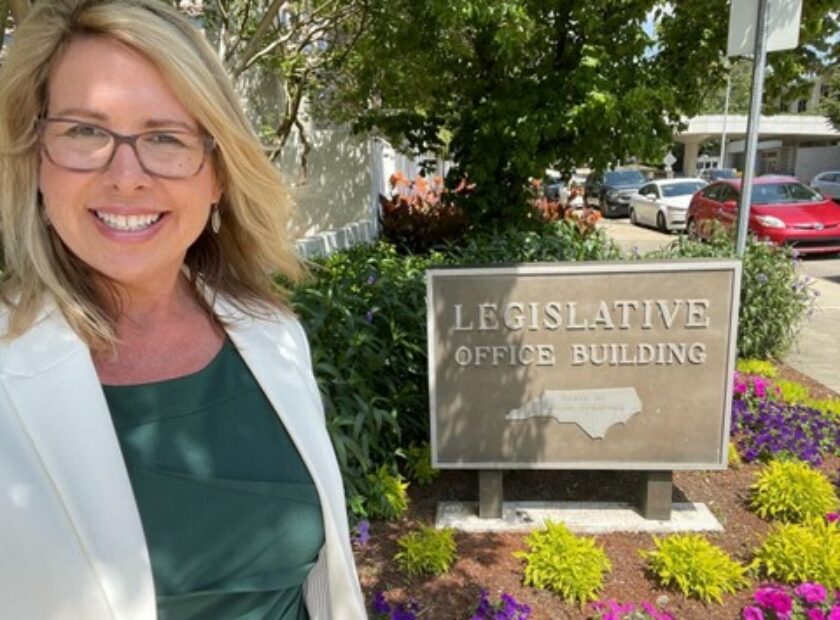
March is Women’s History Month, a month dedicated to recognizing and celebrating the contributions women have made to our society throughout history and across a variety of fields. It’s also a time to lift up the women who dedicate themselves to improving economic vitality, quality of life and access to opportunity for all within our region and beyond, and to reflect on how we can better serve women of all backgrounds. As we collaborate, plan and lead to benefit our communities and strengthen our region, making sure women are around the table and have a voice in planning and decision-making processes is a critical first step.
Take the transportation sector, for instance. Transportation options play a foundational role in providing access to jobs, healthcare, education and services. While transportation choices benefit the entire community, gendered differences emerge when considering issues such as poverty and earnings, how women are employed and caretaker roles for children and aging parents. Women’s life expectancy, greater years without a driver’s license and safety perceptions all point to a strong connection between women’s challenges and transportation needs. In 2019, Michelle Nance, Centralina Regional Planning Director, and Emily Scott-Cruz, Transportation Planner II for AECOM, explored this very topic in their article, “Transit as a Women’s Issue” published in the Carolina Planning Journal. Click the button to access the journal and learn about why transportation – and public transportation in particular – is important to women and how transportation and transit planners can make transportation more effective and successful by centering women in all phases of transit planning, design and operations.