38th Annual NCWorks Partnership Conference: Event Recap
Centralina Regional Council invites qualified nonprofit organizations to participate in a...
The Centralina Workforce Development Board (WDB) and our local NCWorks Career Centers work together to help businesses and workers become more competitive. The Centralina WDB partners with educational institutions and businesses to create strategies to serve career seekers and help businesses seeking talent. In addition to preparing workers for career pathways, our NCWorks Career Centers also support businesses by helping them recruit and train a qualified workforce.
In the 2022-2023 fiscal year, we made over 14,000 job referrals, provided 1,424 employers with 20,200 services and served over 16,000 career seekers. The employment landscape continues to change, and these services are now needed more than ever. Centralina WDB will continue to look for innovative ways to help our region’s career seekers and businesses as we work towards a strong, vibrant economy.
We assist businesses with workforce issues and needs by offering recruitment and job posting assistance, job retention strategies and training to help bridge the skills gap.
We offer career information and job search guidance for a variety of in-demand and emerging industries in our region through our NCWorks Career Centers. We also offer workshops and on-the-job training to teach individuals the necessary skills to become more qualified candidates.
This competitive training grant is offered to employers needing help addressing a skills gap with current employees. The goal of the initiative is to support business growth and strengthen the stability and competitiveness of our regional workforce. It also helps increase the skills of employees, making them even more productive now and more marketable in the future.
This no-cost, award-winning app is a one-stop location for career seekers and employers to access Centralina WDB and NCWorks Career Center resources and services. Find information on hiring events, workshops, employer services, career assessments and more.
This webtool is designed to help workers seeking to pivot from low-skill jobs at risk of automation to related jobs that are more stable, pay better or may require new skills. Users can filter data by career type, job stability, education requirements, automation risk, jobs that offer higher wages and industries with an abundance of available jobs.
This initiative targets the “next generation” of workers, youth ages 16-24. It offers career education and guidance, mentoring, internships, work experience and opportunities for training and certifications.
Centralina Regional Council invites qualified nonprofit organizations to participate in a...
At 81 years old, Ms. Rose LaCasse proves that it’s never too late to make a...
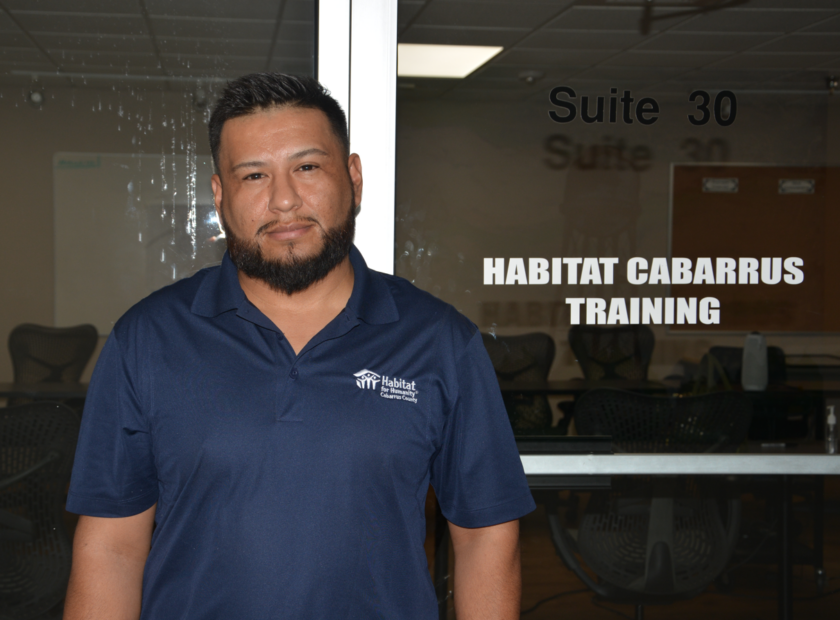
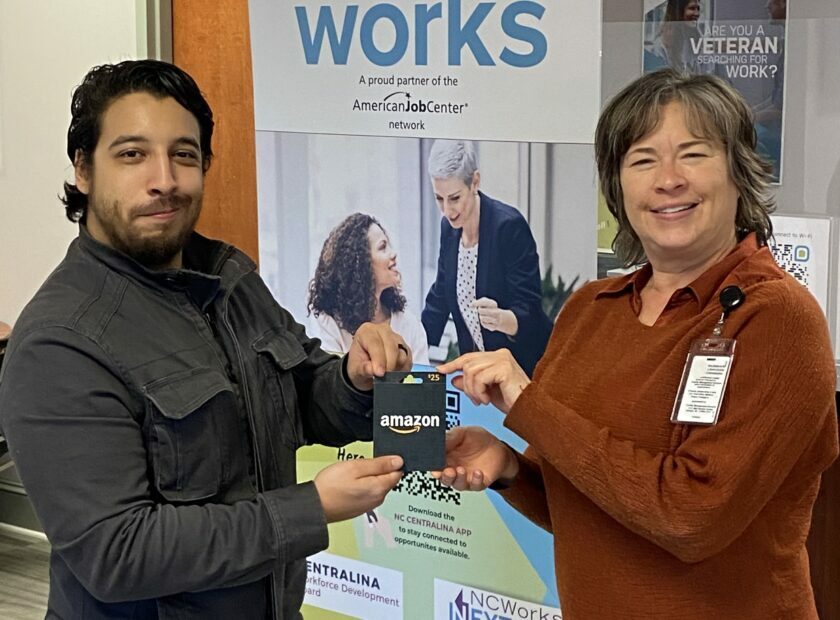
Jose’ Villa Gomez came into the NCWorks Career Center-Cabarrus in Concord looking for...
As job seekers enter the workforce for the first time, or re-enter after losing an...
Studies conducted by the National Association of Manufacturing show that nearly 2.1 million...

Access to transportation options is critical to enhancing the quality of life of residents...

The onset of the COVID-19 created a shift in employment causing record-high job losses...

In early November 2021, Catreana Harris rang the bell at NCWorks Career Center-Stanly after...
As the Center Leader of the NCWorks Career Center-Union, Thomas Foster insists that there...

Centralina Workforce Development Board (WDB) Executive Director, David Hollars, began...

The Town of Mooresville Fleet Department recently entered a partnership with the NCWorks...

Stanly County celebrated National Manufacturing Day with the Centralina Workforce...
When a construction or repair contract over $300,000 involves a building, the procurement and contract are subject to additional requirements under N.C.G.S. 143-128. Therefore, this question must be answered to determine whether the additional statutory requirements apply to this procurement scenario.
The micro-purchase threshold is a federal procurement threshold under which competitive procurement is not required. The default micro-purchase threshold is $15,000, but local governments may increase the micro-purchase threshold up to $50,000. An explanation of increasing the micro-purchase threshold and a template for the required annual self-certification is available here.