Regional Road Trip: Iredell County
It’s hard to believe, but we’re at our last stop on the Regional Road Trip: Iredell County! We asked our community members for tips on what to see and do – here’s what they had to say:


It’s hard to believe, but we’re at our last stop on the Regional Road Trip: Iredell County! We asked our community members for tips on what to see and do – here’s what they had to say:

The National Association of Regional Councils (NARC) presented their Achievement and Leadership Awards on Tuesday, June 25, 2024, during an awards ceremony held at its 58th Annual Conference & Exhibition in Atlanta, Georgia. Ten projects received 2024 Achievement Awards including Centralina Regional Council for its Small Towns Thrive initiative.
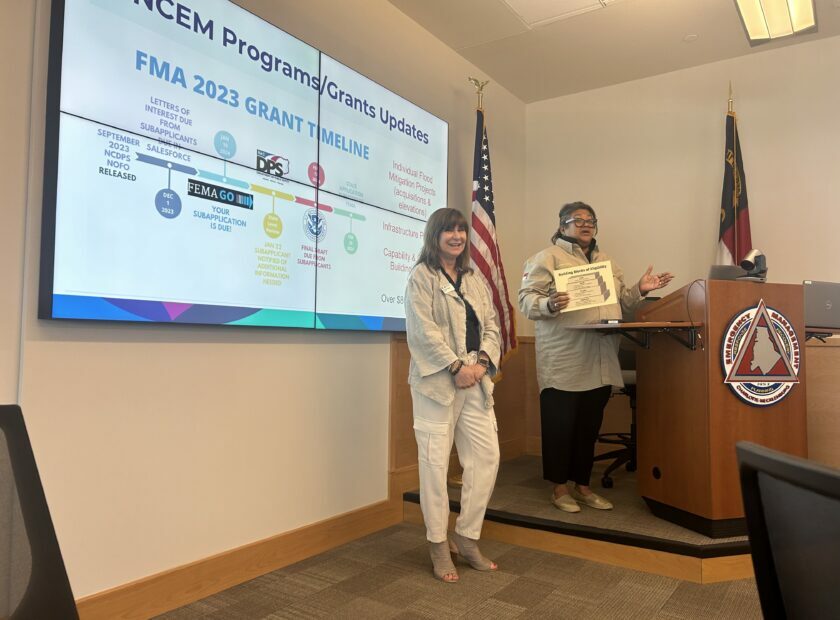
Acknowledging the critical role regionalism plays in bolstering local resilience and recovery, Centralina’s Regional Resilience Collaborative (RRC) aims to connect leaders and partners in the region to unite on innovative solutions. Continue reading for key topics the group discussed at its annual luncheon.
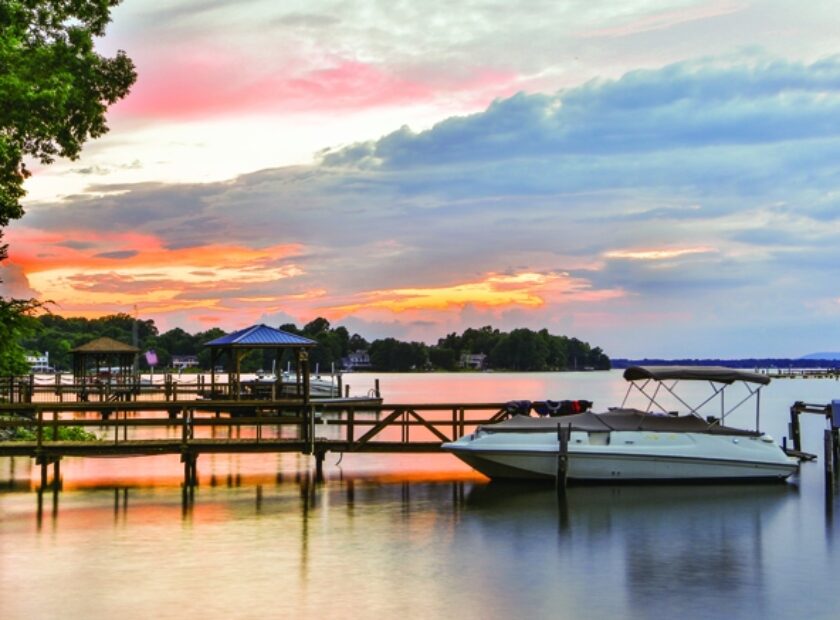
Next stop on our Regional Road Trip: Mecklenburg County! Read on to find incredible restaurant, activity and sightseeing recommendations from our member communities.

For more than 50 years, the Older Americans Act (OAA) has connected older adults and their caregivers to services that help older adults age with health, dignity and independence in their homes and communities—where they want to be! In 2024, Congress must again reauthorize this vital federal program that serves every community in the country. With the rapid growth of America’s aging population, one in five Americans are projected to be 65 or older by 2030. Learn more about how the OAA helps older adults in our region.

The Town of Peachland, boasting a population of just over 400 individuals, has a long and rich history dating back to a century before its official formation on March 31, 1895. This community, situated just off US-74 in western Anson County, served as a vital waypoint for travelers enroute to the Anson County Courthouse in Wadesboro during the late 1700s due to a vital spring nearby that supplied fresh water.
Read on to learn more about this charming community.

Cabarrus County offers many recreational, entertainment and dining experiences to fuel a day of fun. Make your way from Kannapolis to Midland by visiting these unforgettable stops.
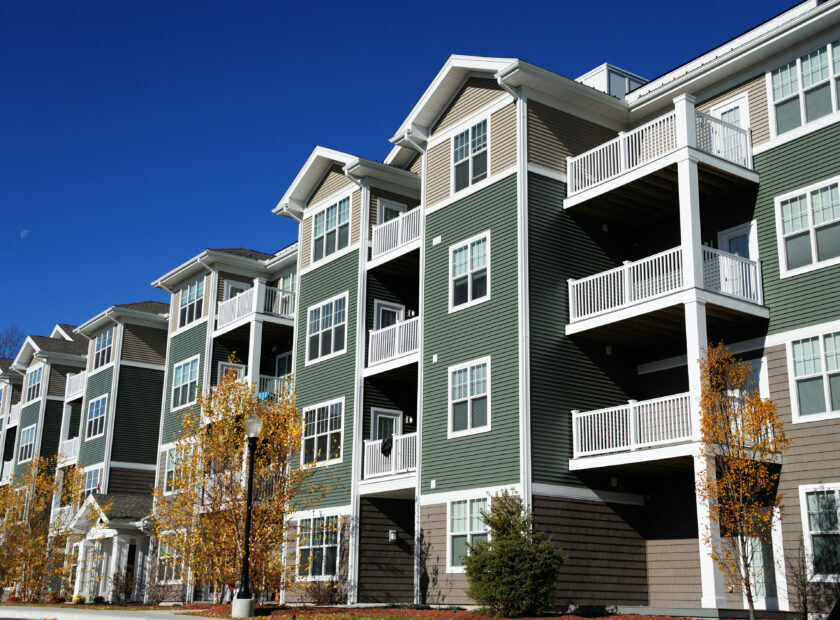
As the gap between housing construction and demand continues to widen across the United States, many local communities are faced with housing shortages. In turn, homeowners and renters alike are experiencing significant affordability challenges. Learn about how Centralina is approaching the problem.
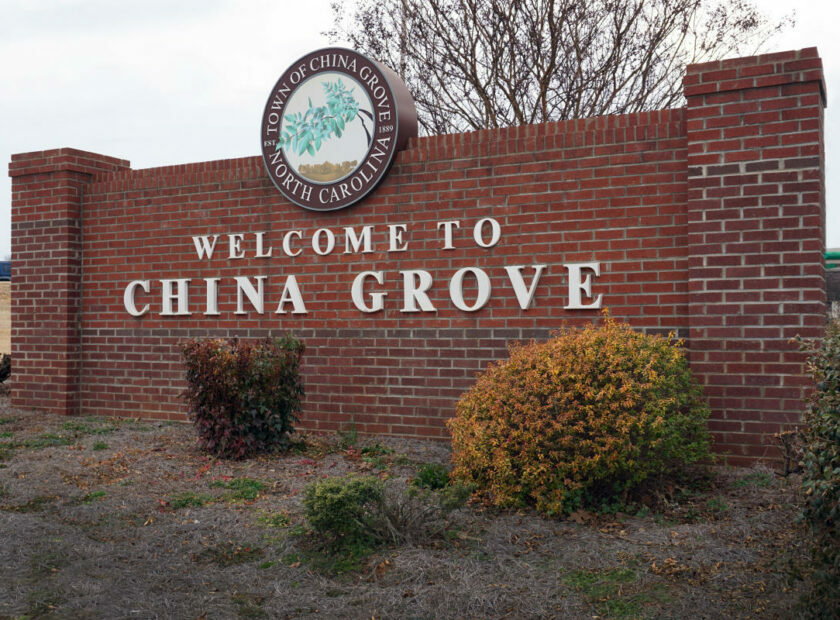
Charm, hospitality and vibrancy. These are the words that spring to mind when anyone takes the time to venture through the heart of China Grove, North Carolina. Located in Rowan County, between the Town of Landis and the City of Salisbury, the Town of China Grove had its first settlement as early as 1710 and was referred to as Savits Mill and Lutherville before becoming China Grove, named after the grove of chinaberry trees located next to the community’s train depot. Keep reading to learn more about our new member community.
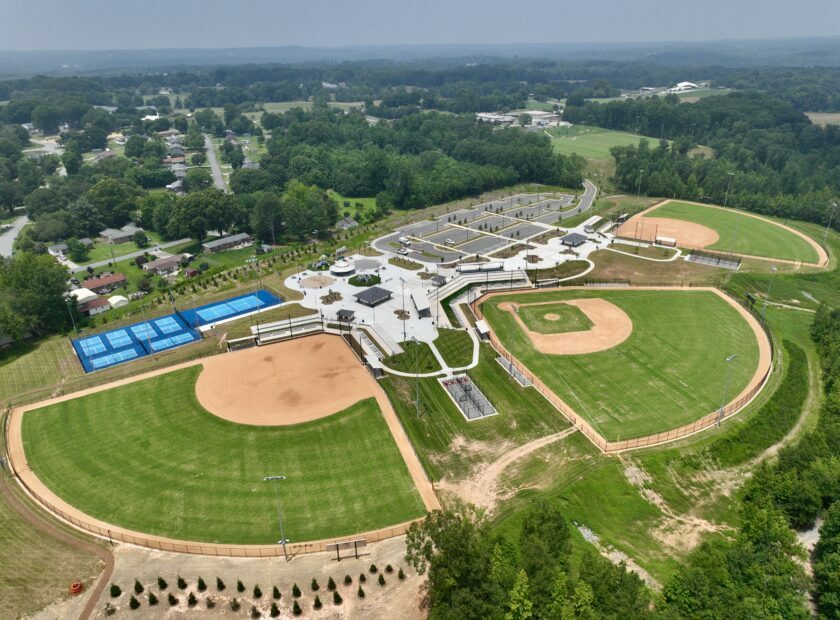
On August 11, 2023, Stinger Park was buzzing with more than just late-summer heat. It was the ribbon cutting ceremony for the new park, and it was buzzing with people, too. With excitement, people of all ages explored the new facility, which has baseball and softball fields, multipurpose fields, tennis courts, pickle ball courts, a cornhole area, shaded picnic spaces, scenic nature trails, jungle gyms, a splashpad, and so much more. After years of planning, McGill Associates, PA helped bring the City of Bessemer City’s vision to life by providing electrical, planning, design, funding assistance and construction support for the project.