Centralina Area Agency on Aging’s 2026 Annual Aging Conference
This one-day event educates, equips, and empowers attendees to make a positive difference in the lives of older adults and the communities that support them.

This one-day event educates, equips, and empowers attendees to make a positive difference in the lives of older adults and the communities that support them.
Centralina Area Agency on Aging (AAA) has received a 2026 USAging Aging Achievement Award for its transportation initiative, “Driving Change: An Innovative, Scalable Approach to Promoting Safe Transportation Options for Older Adults.”
Medicare Open Enrollment can be confusing, but North Carolina’s Seniors’ Health Insurance Information Program (SHIIP) provides free, unbiased counseling to help beneficiaries compare coverage options, understand costs, and make informed decisions that support their health and financial well-being.
The Veterans Directed Care (VDC) Program empowers eligible Veterans to remain safely in their homes and communities by providing greater choice and control over their long-term care services.
World Elder Abuse Awareness Day highlights the importance of strong community partnerships to protect older adults. Counties can strengthen elder justice by supporting coordinated, multidisciplinary responses to abuse, neglect, and exploitation.
Caring for a loved one with dementia can be overwhelming. Learn how Medicare’s GUIDE program provides free support, respite care, and expert guidance for caregivers.
Many seniors face barriers to accessing nutritious food, which can impact physical strength, cognitive health and overall well‑being. By ensuring dependable access to healthy foods and providing opportunities for shared meals and community connection, Centralina is helping older adults thrive.
Centralina Regional Council recognizes Linda Miller, aging director, as she retires after 30 years of dedicated service advocating for older adults and their families across the region. Her last day is March 31, 2026.

Telehealth has become a vital part of modern healthcare, offering remote consultations, real-time monitoring and mobile health tools that connect patients with providers regardless of location. While this shift has improved access for many, it has also created…
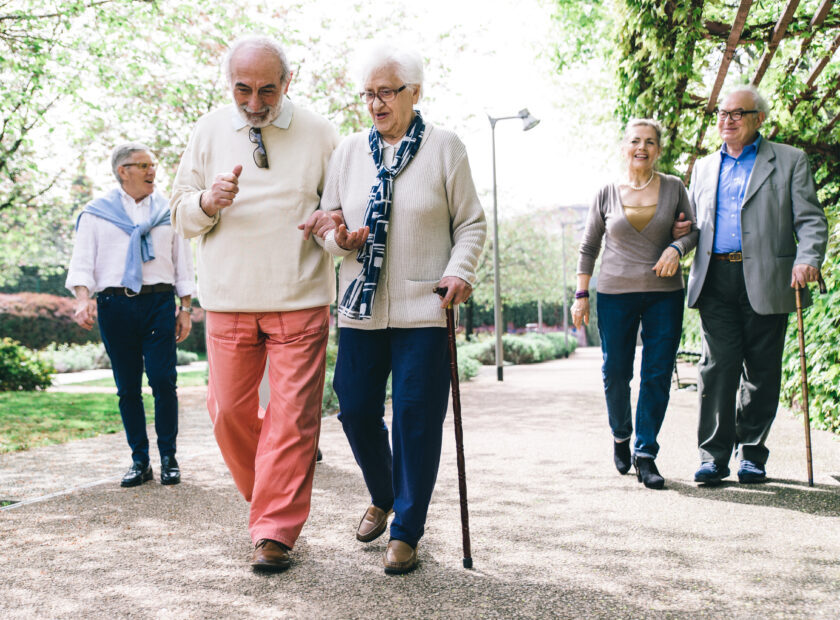
Falls are more than just a stumble; they’re a leading cause of injury for adults aged 65 and older, with one in four older adults experiencing a fall each year. While the statistics are sobering, there’s a hopeful message at the heart of this issue…