For communities across our region, finding innovative ways to manage growth and revitalize underused properties is essential to creating vibrant, functional spaces. Brownfield redevelopment offers a powerful solution by transforming abandoned or underutilized sites into valuable community assets.
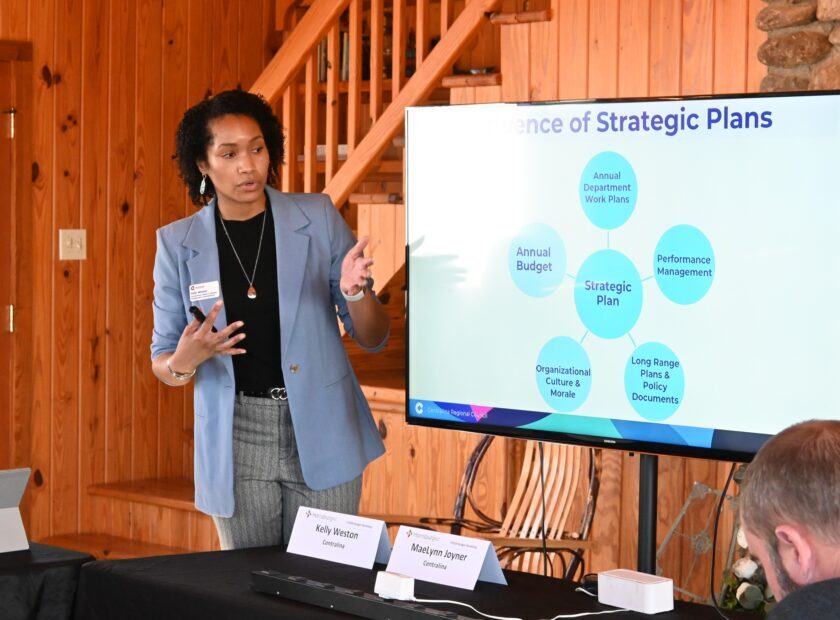
On June 17, Centralina Regional Council hosted the From Dirt to Dollars: Unearthing Opportunities in Gas Stations & Dry Cleaners webinar as part of our ongoing community engagement under the EPA Brownfields Assessment Coalition Grant. The session brought together technical experts and local leaders to discuss strategies for turning former gas stations and dry cleaners into places that support community growth and economic development.
In partnership with the City of Kannapolis, New Jersey Institute of Technology’s Technical Assistance to Brownfields Communities Program, the NC Department of Environmental Quality and Womble, Bond, Dickinson, the event offered practical insights to inspire and guide local communities.
Key Takeaways
Participants gained a deeper understanding of:
- Environmental assessment: Evaluating site conditions and determining necessary cleanup efforts.
- Community-centered redevelopment planning: Engaging the public to ensure projects reflect community needs and deliver meaningful impact.
- Funding strategies: Identifying financial resources and incentives to make redevelopment possible.
- Legal considerations: Understanding the regulatory framework and agreements needed for successful project implementation.
If you missed the webinar or would like to revisit the discussion, the recording and presentation materials are available [here].
What’s Next
Centralina is excited to announce plans for a larger, in-person brownfields summit this fall! This event will further explore how brownfield redevelopment can unlock economic opportunities and support growth throughout our region, while bringing more community voices into the conversation.
Through our EPA brownfields grant work, Centralina will continue to support local governments in identifying and redeveloping underutilized properties by conducting environmental site assessments, developing cleanup and area-wide plans and facilitating community engagement activities. Later this year, a steering committee will be formed to help guide site selection and prioritization.
For more information about Centralina’s brownfields program, don’t hesitate to get in touch with Kelly Weston at kweston@centralina.org.