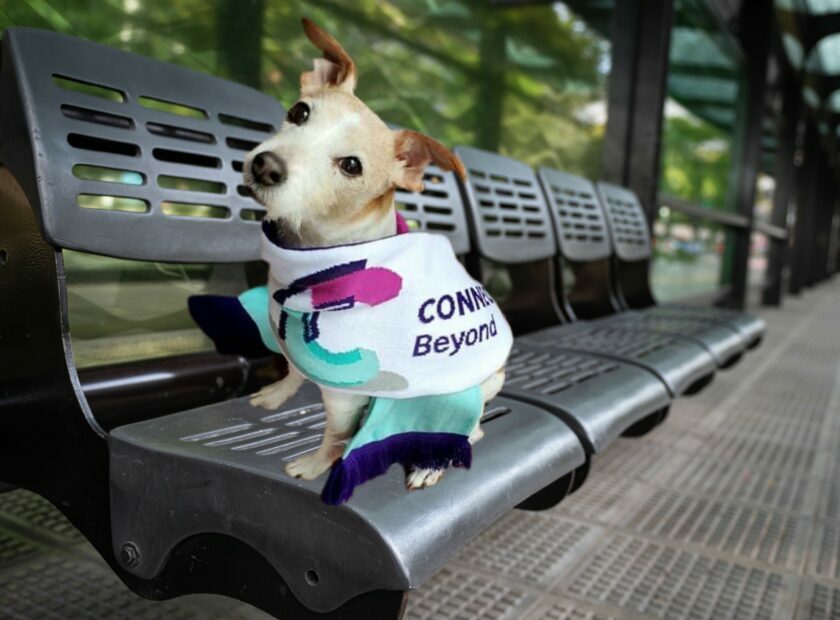
October 30, 2026 — Centralina Regional Council has received a 2026 Marvin Collins Outstanding Planning Award from the American Planning Association–North Carolina Chapter (APA-NC) in the Transportation Plan category for its CONNECT Beyond Mobility Hub initiative.
Developed in partnership with HDR and Bolton & Menk and funded by the Build America Bureau at U.S. Department of Transportation, the initiative helps communities turn a regional mobility vision into practical, locally tailored strategies.

The award recognizes excellence in planning and its contributions to communities. APA-NC describes its awards as recognizing “the places, people, and projects that represent the highest standards of achievement in the North Carolina planning community.”
The award selection committee also recognized the initiative’s accessible approach to planning. One reviewer remarked, “After reading through it (the project), I kind of feel like I could create my own mobility hub,” praising the project’s graphics-first approach.
Mobility hubs bring transportation options together, making it easier for people to connect between driving, transit, walking, biking, and other services. The initiative includes a Mobility Hub Playbook, an interactive GIS Explorer and four pilot studies in Belmont, Huntersville, Kannapolis, and Lincoln County. Together, these resources provide a scalable framework, from people-powered hubs to regional connectors, helping communities explore potential locations, develop concepts, and identify next steps toward implementation.
For the Centralina Integrated Mobility Center (CIMC), the recognition underscores the value of combining technical assistance, accessible planning tools and local partnerships to advance CONNECT Beyond. Centralina Regional Council’s role in bringing communities together around shared challenges and helping local governments turn regional priorities into actionable projects.
Explore the CONNECT Beyond Mobility Hub resources to learn more.