Regional Road Trip: Mecklenburg County
Next stop on our Regional Road Trip: Mecklenburg County! Read on to find incredible restaurant, activity and sightseeing recommendations from our member communities.

Our Insights page offers original content developed by Centralina's experts, including commentary and analysis, reports and our Capitol Corner, which highlights the latest news from Washington D.C. and Raleigh. You'll also find links to resources and meeting materials.
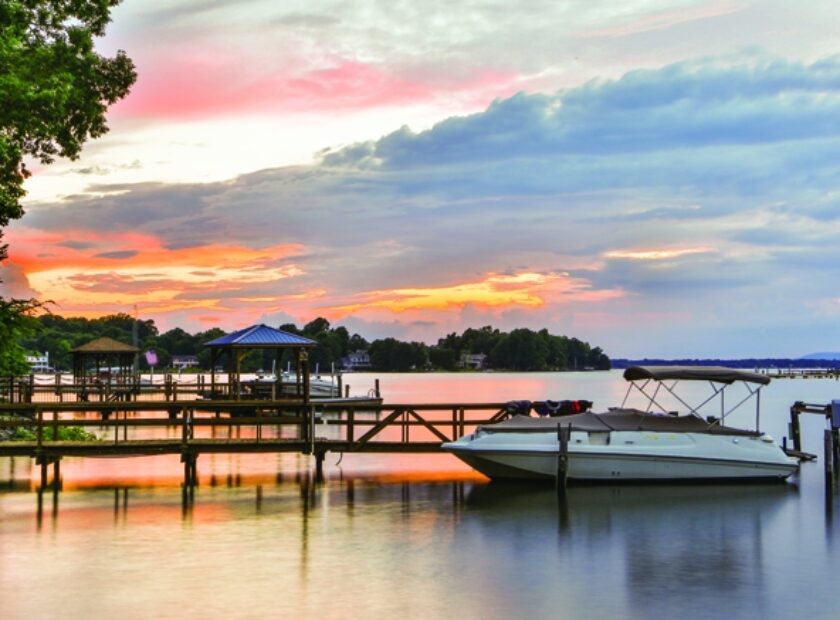
Next stop on our Regional Road Trip: Mecklenburg County! Read on to find incredible restaurant, activity and sightseeing recommendations from our member communities.
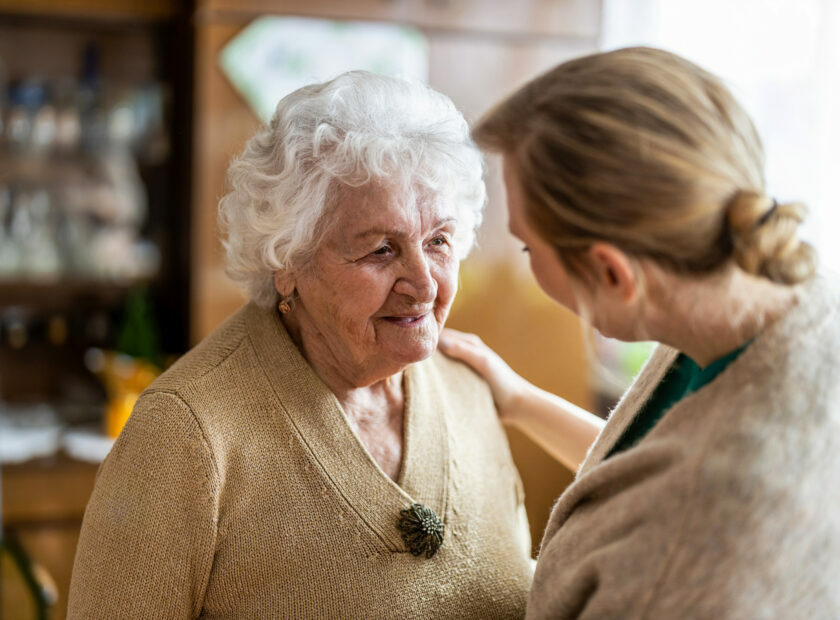
For more than 50 years, the Older Americans Act (OAA) has connected older adults and their caregivers to services that help older adults age with health, dignity and independence in their homes and communities—where they want to be! In 2024, Congress must again reauthorize this vital federal program that serves every community in the country. With the rapid growth of America’s aging population, one in five Americans are projected to be 65 or older by 2030. Learn more about how the OAA helps older adults in our region.
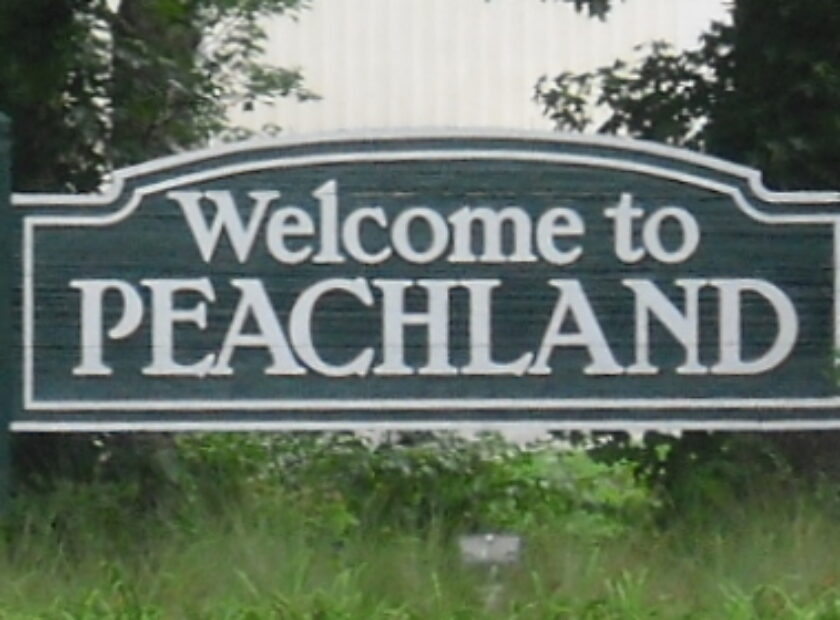
The Town of Peachland, boasting a population of just over 400 individuals, has a long and rich history dating back to a century before its official formation on March 31, 1895. This community, situated just off US-74 in western Anson County, served as a vital waypoint for travelers enroute to the Anson County Courthouse in Wadesboro during the late 1700s due to a vital spring nearby that supplied fresh water.
Read on to learn more about this charming community.

Cabarrus County offers many recreational, entertainment and dining experiences to fuel a day of fun. Make your way from Kannapolis to Midland by visiting these unforgettable stops.
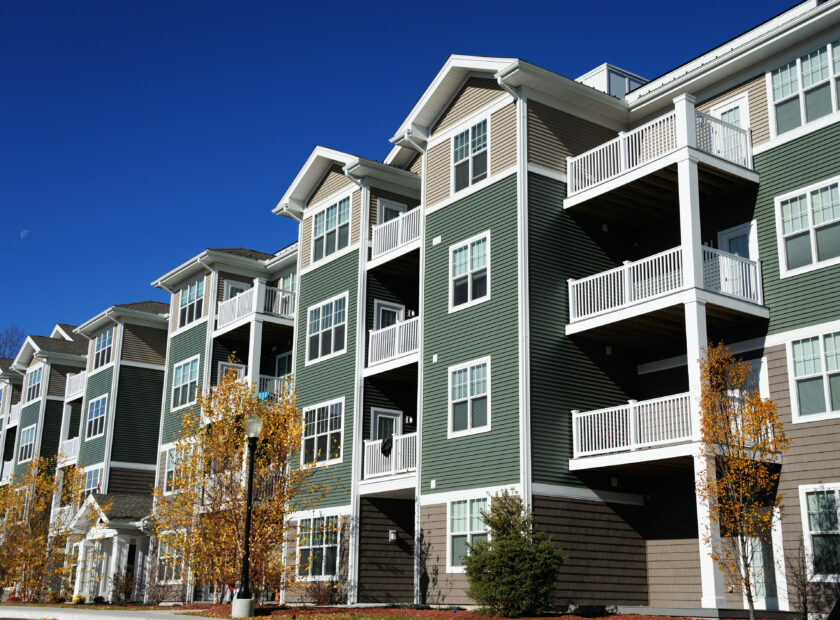
As the gap between housing construction and demand continues to widen across the United States, many local communities are faced with housing shortages. In turn, homeowners and renters alike are experiencing significant affordability challenges. Learn about how Centralina is approaching the problem.
The Farm Bill governs federal government programs related to agriculture, nutrition and the environment and is traditionally reauthorized every five years. Due to the Farm Bill’s important role in facilitating America’s food systems, it is considered “must-pass” legislation. The Farm Bill provides funding in two ways. Learn more…

In 2015, the CONNECT Our Future regional growth plan identified transportation choice as a key priority for the region and in 2021, CONNECT Beyond, our region’s first mobility plan, was adopted. Transportation continues to remain a top need for older adults and people with disabilities across the region. In response, the Centralina planning and aging departments partnered together on mobility management to address transportation needs for older adults and people with disabilities. This effort included the development of a rideshare study and rideshare resources for older adults and people with disabilities.

In today’s world, 92% of jobs require digital literacy skills. Unfortunately, in North Carolina, many lack internet access or cannot afford the required subscription or equipment. Many also lack digital literacy skills and are unable to benefit from services like telehealth, online educational courses or online job boards. Creating digital access is an essential first step in tackling digital barriers to support economic mobility and prosperity for all. Digital skills result in greater access to employment and higher wages, which leads to greater economic vitality for our region. Continue reading to learn how Centralina plans to help.
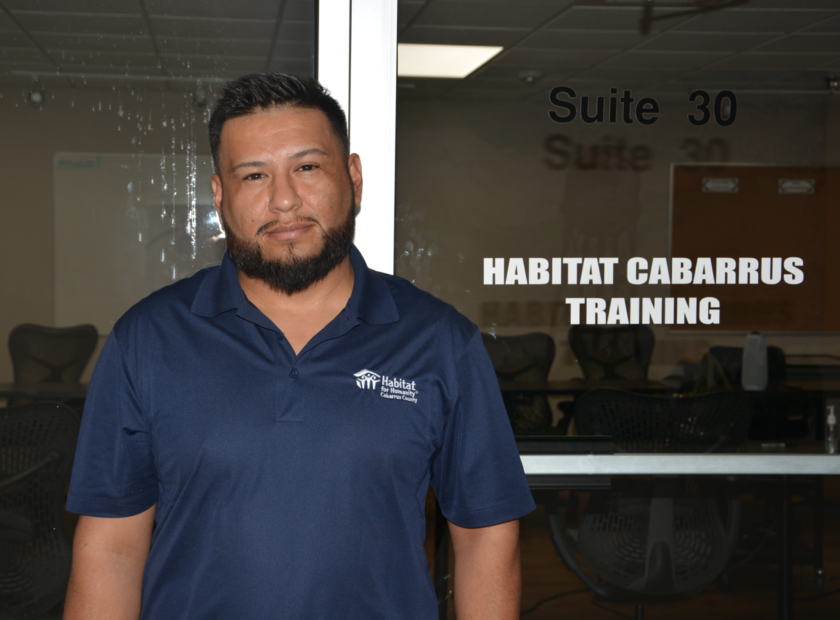
Jose’ Villa Gomez came into the NCWorks Career Center-Cabarrus in Concord looking for employment and needed assistance with his resume. At the time he was employed with a temporary agency working 3rd shift as a welder making $16.50 per hour, which was not enough to be self-sufficient. He had the desire to find permanent employment and an ultimate career goal of becoming a general contractor. Keep reading to learn how NCWorks helped.
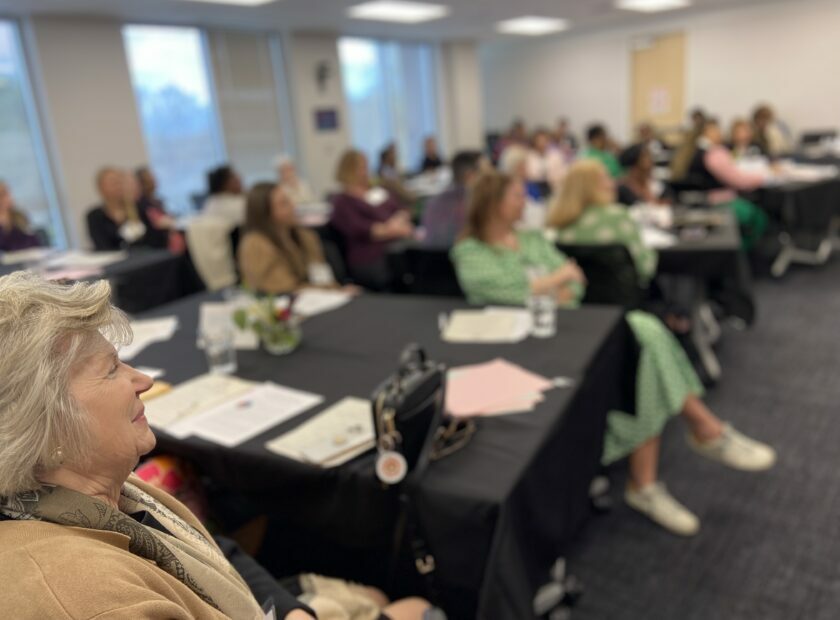
The COVID-19 pandemic presented organizations with a challenge when it came to holding meetings. As a convener, much of Centralina Regional Council’s work involves bringing people together. During the nearly two years that we were unable to hold in-person meetings and events, Zoom and other virtual platforms provided a suitable alternative for engaging with our members, partners, and other stakeholders. Keep reading to learn what’s changed, how to choose a meeting format and the impact of different approaches.