Every second of every day, an older adult falls. Data shows that 80 billion dollars is spent each year on fall injuries and related medical care. Data also shows that the fall rates of older adults are steadily increasing and so is the older adult population, especially in North Carolina.
To address the prevalence of fall risks in those 60 years of age and older, Centralina Area Agency on Aging (AAA) offers “Matter of Balance.” These evidence-based fall prevention workshops are hosted across the region and utilize a cognitive restructuring program led by two trained coaches. Coaches consist of aging service professionals, volunteers and past participants. These workshops are community-based and offered at various sites such as libraries, faith-based establishments, senior centers and more.
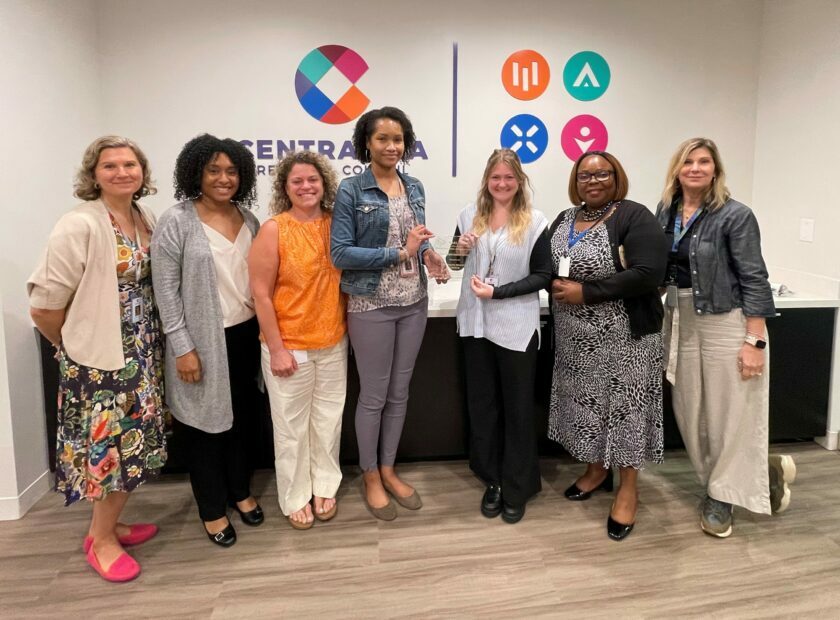
Centralina AAA has six staff members that aid in fall prevention efforts by supporting Matter of Balance programming. This past fall, two of Centralina AAA’s program coordinators led a workshop at Mallard Creek Presbyterian Church, a local faith-based organization. Within this workshop, 10 older adults gained fall prevention education. Participants who completed the program stated they were more aware of their environment, replaced potential hazards in their homes and remembered to be more consistent with exercise.
In addition to Centralina AAA’s staff, trained coaches often bring this program to their communities. On average, there are 40+ workshops offered across the region each year. If you are interested in falls prevention efforts, Centralina AAA is always training additional coaches. If you are interested in learning more about our Matter of Balance training opportunities and becoming a certified coach, please reach out to Amanda Dawson (adawson@centralina.org) or Kristen Srouji (ksrouji@centralina.org).