Ranlo Commissioner Schivette Hill Puts Volunteers to Work for the Town
By creating four citizen-led committees, Commissioner Schivette Hill expanded services in Ranlo without increasing demands on town resources.

By creating four citizen-led committees, Commissioner Schivette Hill expanded services in Ranlo without increasing demands on town resources.
The Town of Spencer turned a former shopping center parking lot into the heart of community life, with help from residents, donors and partners.
Free all-terrain wheelchairs are opening Mecklenburg County’s trails and nature preserves to residents with mobility disabilities.
A partnership between the City of Locust and Stanly County is bringing fitness, recreation, gathering space and Meals on Wheels under one roof for older adults in western Stanly County.
With more than 25 years of public service, Brian Matthews has prepared one of North Carolina’s fastest-growing counties for the future while investing in the people who serve it.
For more than two decades, Bob Cook has brought the Charlotte region’s communities together around a shared vision for mobility. He is this year’s Nance Award winner.
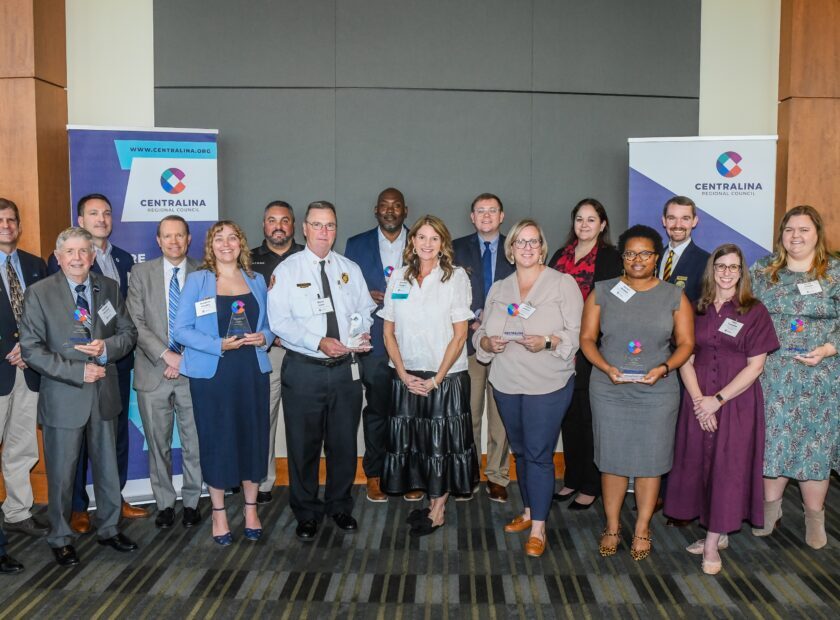
Centralina Regional Council is proud to announce the recipients of the 2025 Region of Excellence Awards, recognizing outstanding local governments, organizations and individuals who have made significant contributions to improving quality of life and advancing regional collaboration across the nine-county greater Charlotte region.

With nearly 30 years of service to the City of Albemarle, Michael Ferris has left an enduring mark on his community through visionary leadership, ethical standards and a deep commitment to public service. Beginning his career with Albemarle in 1997 as Assistant City Manager and serving as City Manager from 2014 until his retirement in February 2024, Mr. Ferris guided the city’s remarkable transformation from a former textile mill town to a thriving, modern community.

Every year, preventable falls and house fires claim the lives of countless older adults, a stark reality underscored by national statistics. Individuals aged 65 and older are twice as likely to die in a fire, with the risk growing significantly with age. Meanwhile, one in four older adults falls each year, often resulting in injury or death. In response, the Council on Aging in Union County launched the S.L.I.P. program to proactively address these risks…
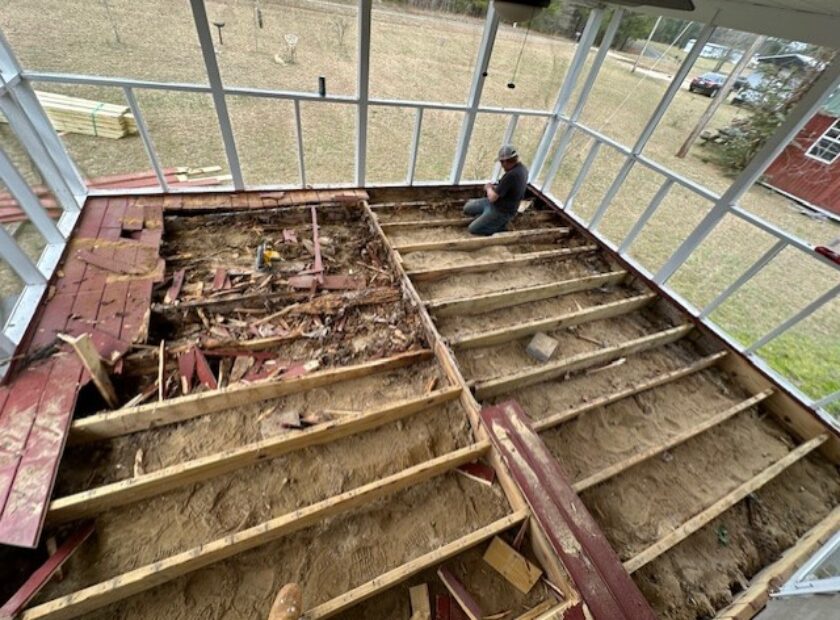
In 2020, Carrie Black launched Integrity Home Mobility, Inc., combining her expertise as a physical therapist assistant with her newly acquired general contractor license to fill a critical gap in home care. Through her unique fusion of healthcare and construction knowledge, Carrie created a full-service company focused on helping older adults live safely and independently in their homes…