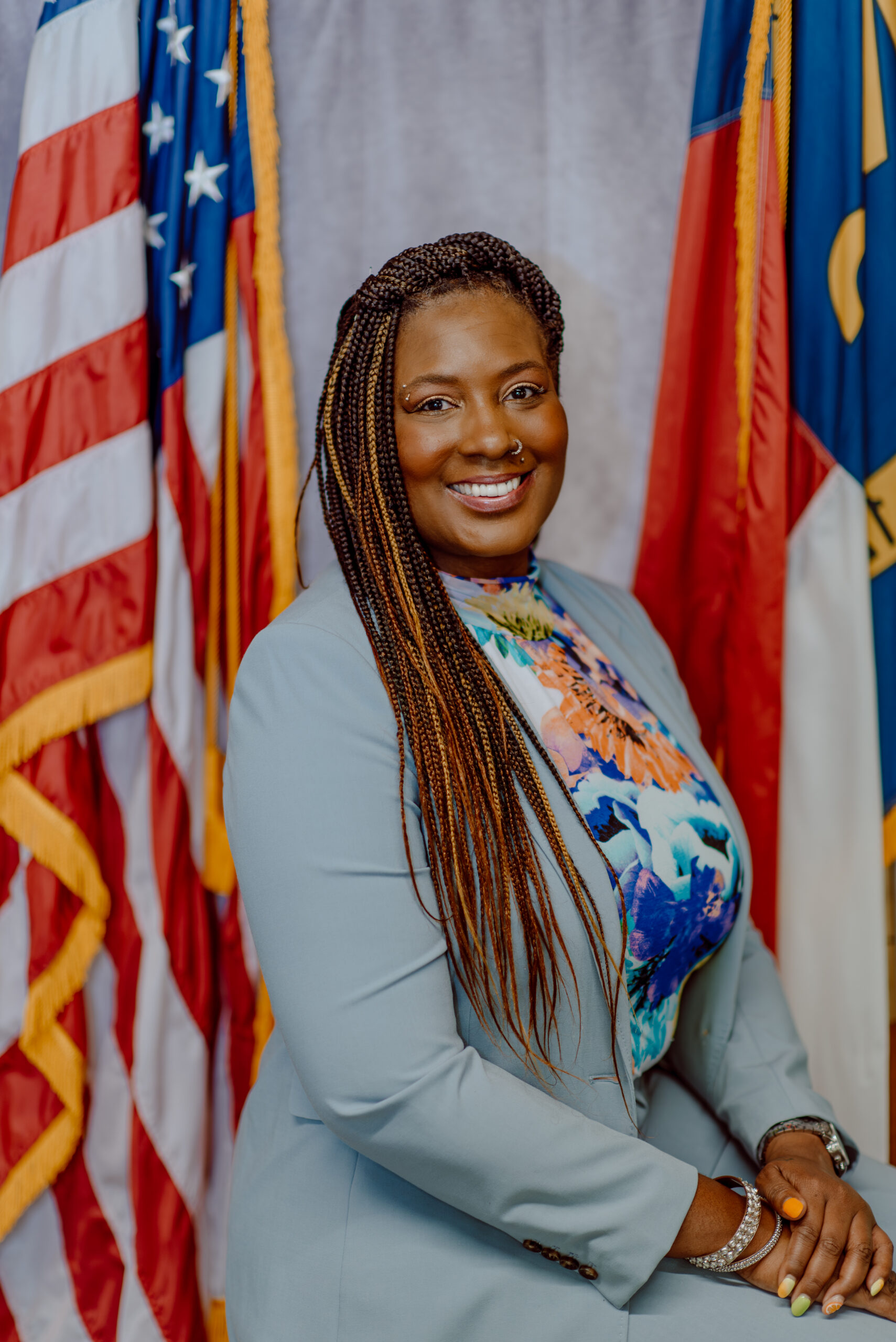
Local governments are asked to do more with less, and Ranlo Commissioner Schivette Hill has found a creative way to do just that. Hill is the winner of the 2026 Region of Excellence Local Government Innovation Award, which recognizes leaders who make the most of available resources in ways that are new, creative or unexpected.
Small Town, Big Ideas
Hill, a former member of the military, took office with measurable goals and an action plan. She recognized that staffing limitations in a small town were keeping Ranlo from exploring every area of service, and that residents had skills and a desire to help. Her solution was to create four citizen committees, none of which had existed in Ranlo before, building everything from rules and procedures to monthly meetings.
- The Ranlo Experience plans the town’s special events.
- The Ranlo Resource Network brings social services to residents.
- The Ranlo Public Safety Partnership supports the police department and seeks grant funding for it.
- The Planning Board was revived after not existing for more than five years.
The committees meet monthly and are made up entirely of volunteers.
Results Without Added Cost
The committees have had no impact on the town’s operating budget. The Ranlo Resource Network has already hosted a health fair and worked with the school district to provide free lunches for children under 18 every day all summer long.
Putting Local Expertise to Work
Hill’s approach shows what’s possible when government invites residents to be part of the solution. Paying staff to accomplish the same work simply wouldn’t have been feasible for a town of Ranlo’s size.
Congratulations to Commissioner Hill and the volunteers of Ranlo. Learn more about the Region of Excellence Awards.
Nominated by Charlie Hansen, Town of Ranlo.

Related Posts