The executive order Unleashing American Energy pauses, for 90 days, disbursements of certain funds under the Inflation Reduction Act (IRA) and the Infrastructure Investment and Jobs Act (IIJA), also known as the Bipartisan Infrastructure Law under the Biden Administration.
Agencies are directed to suspend payments of grants, loans and other financial mechanisms until the new administration completes a 90-day review to ensure alignment with its energy policy. As clarified later in Office of Management and Budget (OMB) guidance M-25-11, this pause only applies to funds supporting programs, projects, or activities that may be considered part of the Green New Deal.
It does not impact funding for infrastructure, transportation and drinking water projects. Agency heads may disburse funds as they deem necessary after consulting with OMB.
Affected programs include, but are not limited to:
- National Electric Vehicle Infrastructure Formula Program
- Charging and Fueling Infrastructure Discretionary Grant Program
During the 90-day review period for programs that are considered part of the Green New Deal, each agency will assess the consistency of its processes with this administration’s energy policy and submit recommendations to the National Economic Council and OMB. Disbursements may resume if they do not conflict with current policy.
Pausing funding already appropriated by Congress may prompt legal challenges. Resulting delays may affect organizations and projects depending on future IRA or IIJA allocations for Green New Deal programs.
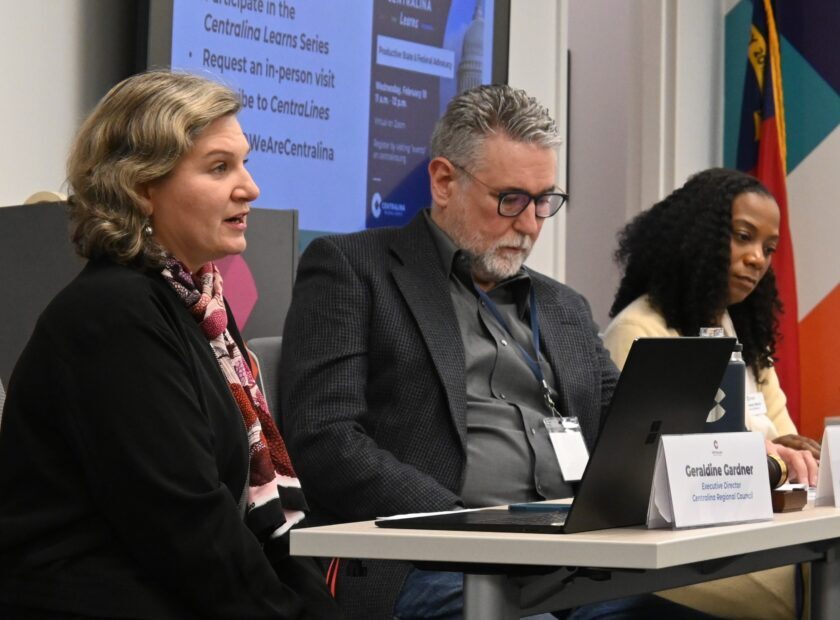
Full implications of the Unleashing American Energy executive order are still developing, and Centralina’s federal affairs consultants are monitoring developments closely. If any members have questions about the executive order or its implications on local government projects or funding, please contact Geraldine Gardner, Executive Director, ggardner@centralina.org.