Centralina Regional Council continues to leverage opportunities for local leaders to connect directly with federal lawmakers while they are home in their districts. Bringing members of Congress into local settings provides a crucial platform to share updates on regional priorities and align federal policy with Centralina’s federal action plan. Engaging lawmakers in their home communities reinforces regional needs and fosters open, face-to-face dialogue between local government leadership, elected officials, and congressional representatives.
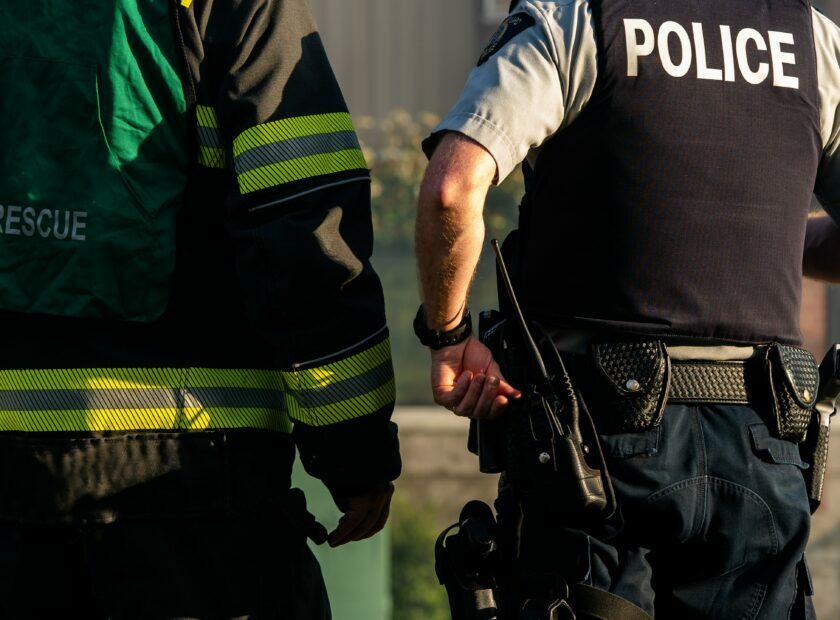
On Tuesday, August 12, 2026, Centralina organized a productive local meeting bringing together elected officials and leadership from communities across the 6th Congressional District. Representatives from Salisbury, East Spencer, Spencer, and Kannapolis sat down with Congressman Addison McDowell to discuss several key regional initiatives. The discussion focused on essential local needs, including federal funding for transportation and infrastructure, staffing challenges facing local police and fire departments, disaster relief funding, and support for funding water resources funding, including the Water Infrastructure Finance and Innovation Act (WIFIA) program. Participants also highlighted opportunities and challenges surrounding data center development and ways to advance community-focused economic development projects across the region.
Continuing the momentum, Centralina convened another regional discussion on Friday, September 17, 2026, with Congressman Pat Harrigan. Local elected officials, county managers, and executive leadership from the 10th Congressional District gathered to represent their communities including Love Valley, Iredell County, Troutman, Lincoln County, and the broader area. The roundtable provided an open line of communication to highlight regional priorities, covering key local concerns such as transportation and water infrastructure, regional growth, public safety, and veterans’ services.
These district-level conversations remain a vital tool to ensure that federal decision-makers stay attuned to local priorities. By keeping an active, ongoing dialogue with our Congressional Delegation while leaders are home, Centralina and its member communities can ensure regional perspectives are well-represented in Washington. We extend our sincere gratitude to Congressman McDowell, Congressman Harrigan, and all participating municipal and county leaders for their dedicated collaboration.