Have you ever wanted to wander the streets of the western towns you see in movies? It may seem like a Hollywood dream, but you may not know that a cowboy capital exists right here in our region.
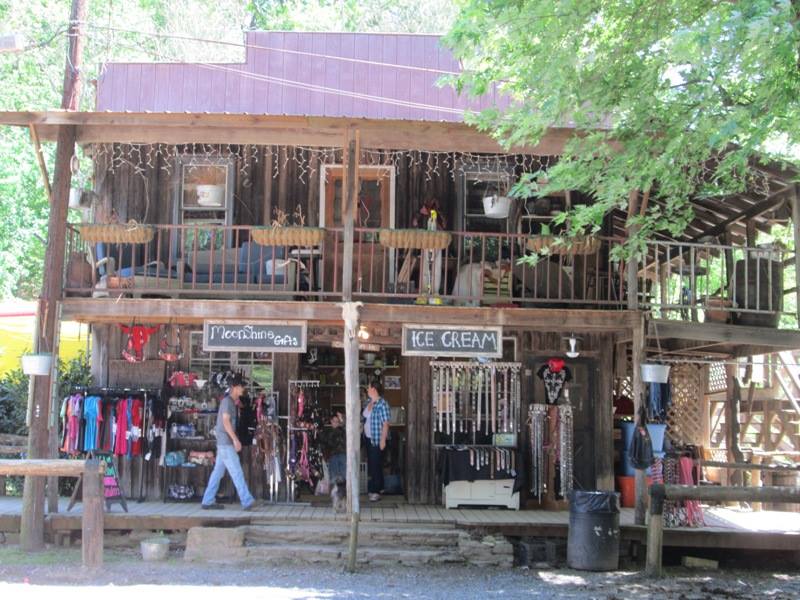
The Town of Love Valley is located in Iredell County just north of Statesville in a remote valley in the Brushy Mountains. This small town, with a population slightly over 150, looks like something straight off your favorite western television show, complete with saloons, a general store, rodeos and more. Founder Andy Barker had dreamed of living in a western town since he was a young boy. In 1954, 29-year-old Barker left his lucrative general contracting business in Charlotte and moved his family to a small one-bedroom shack on a new plot of land he recently purchased.
Through help from his construction connections, Andy began building out his western fantasy, first by constructing the local Presbyterian church, which is still standing and active today. Love Valley was officially incorporated in 1964 after the post office and local arena were completed. Andy took over for his father as the mayor of the town in 1965 and remained in that position until his death in 2011.
Though it may seem quant and hidden, Love Valley has gained extensive local, state and national attention over the decades. The town hosted a rock festival in 1970 headlined by the Allman Brothers Band, which was attended by over 100,000 people. Former leather smith Joe Ponder was inducted into the Guinness Book of World Records and featured in Ripley’s Believe It or Not in 1988 and on Late Night with David Letterman for having the world’s strongest teeth. At one time, you might have run into western actor Rex Allen or country artist Fred Kriby downtown, who both enjoyed visiting the town on a regular basis. Love Valley has also been the inspiration for several books and been a filming location for a variety of western movies.
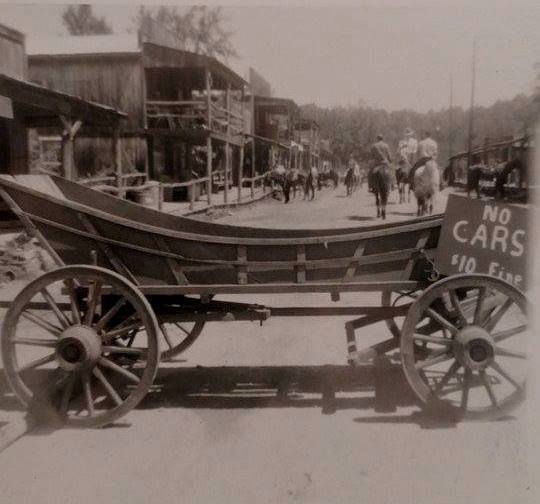
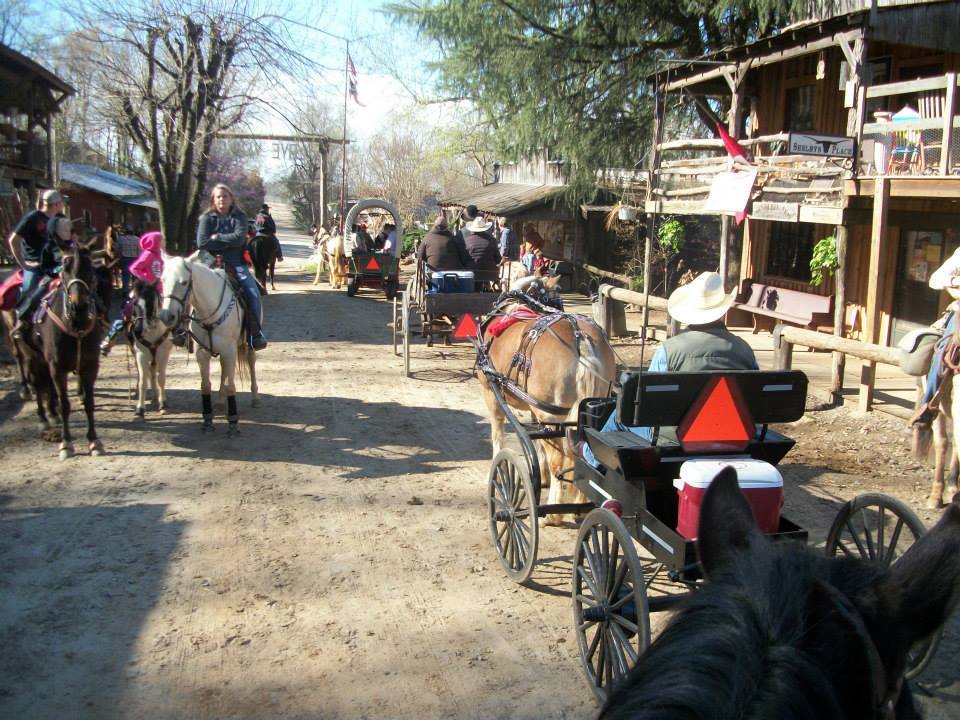
Those looking to get away from the concrete jungle of the big cities will be able to relax and unwind in this old west utopia. If you are looking to keep it lowkey, stroll or take a carriage ride through the dirt road downtown area and check out the local shops or enjoy live music at the Silver Spur Saloon on Friday and Saturday nights. Be sure to park outside city limits: only walking, riding in carriages or horseback is allowed downtown. Shops are primarily only open on the weekends, so be sure to call ahead if you are planning your visit during the week to see if they’re open.
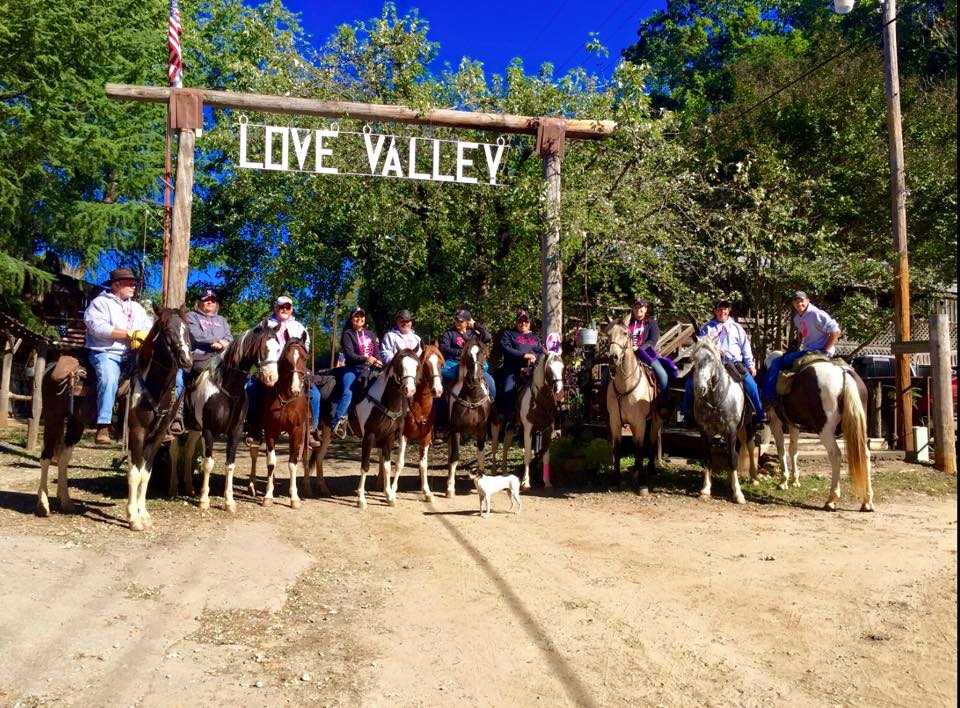
If you are seeking more adventure, hop on a horse and explore miles of trails through the picturesque Brushy Mountains. Feel free to bring your own steed or take advantage of the town horse rentals and guided horseback rides. The prime time for visiting is between Easter and Halloween when the town hosts rodeos, horse and wagon parades, concerts, chili cook-offs and more! Those looking to stay for more than day trip can choose from several campground options that range in amenities for those who enjoy “roughing it.” Cabins and room rentals are also available for those who enjoy more of the “glamping” lifestyle.
“In this hustle and bustle world of technology and modernization, Love Valley is a place you can slow down, take a step back in time and enjoy life and nature the way God intended; in a community built on the love for one another” Town Council Member Mark Loden says. Whether you are interested in touring on horseback, relaxing in a carriage ride or basking in the atmosphere of this cowboy paradise on foot, you are bound for a wild ride in Love Valley. For more information and the latest updates on what’s new, visit the town website or follow their Facebook page.